About Us Our Work Contact Us Donate Now Return to Home
About Us Contact Us Calendar


Dominican Republic StatsEthiopia

Ethiopia is located in the northeast of Sub-Saharan Africa near the Indian Sea. It’s the oldest independent country in Africa and one of the oldest countries in the world – at least 2,000 years old. Ethiopia is diverse with more than 56 tribes and 10 languages spoken.

The Problem
• About 78% of the country’s population lives on less than $2 a day; 31% lives on less than $1 a day

• About 4.8 million children are orphans; 2 million children have been orphaned due to AIDS and the rest due to poverty and disease.

• About 72% of school aged children have no access to education.

• More than 60% of primary school children do not have the chance to continue to grade 5.

• 55% of Ethiopian children under age 5 are stunted due to malnutrition.

What Buckner is Doing
Buckner began working in Ethiopia in 2006 and officially formed its Non-Governmental Organization (NGO) in January of 2007 while merging with the Bright Hope Organization. Getahun Tesema serves as the country director for Buckner in Ethiopia.

Buckner works to improve the lives of children and families in Ethiopia through the following programs:

FAMILY PROGRAMS
• Foster Care/Kinship Care Services - Buckner provides foster care and kinship care programs in Addis Ababa and Axum. Currently there are more than 560 children in the program living in more than 200 foster homes. Though all the homes are private, most of the children are referred by government officials. The foster care/kinship care model in Ethiopia helps extended family members to care for the children. While the primary focus is the child, Buckner staff develops a plan with the family to become economically independent within three years. This is accomplished by helping the family identify a small business opportunity and then providing start-up capital.

• Ethiopia Adoption Ministry - The Buckner Baby Home in Ethiopia cares for children who are waiting to be adopted by families in the United States. It is a home primarily for children between birth to 3 years of age, but older children are also being identified. Children in this home receive lots of love and attention, are provided with excellent medical services and education and are prepared for placement into adoptive families.

EMPOWERMENT PROGRAMS
• Community Transformation Center – The Community Transformation Center is a centralized, integrated child welfare social service delivery model with the primary goal of preserving families and promoting permanency of children. The CTC provides integrated services to parents of orphan and vulnerable children that enable and empower them to provide a safe, loving and stable environment for their children.

The Addis Ababa CTC continues to provide integrated services to more than 1,000 orphan and vulnerable children, unemployed youth and destitute women to improve the economic status of destitute families. The service delivery plan is developed and implemented jointly with the clients and partner community organizations.

• Vocational Schools - In partnership with the Oromia Public Organization in Nazaret, vocational training offers dropouts, unemployed youth and women the chance to learn new skills and become self sufficient. Clients are trained in metal working, leather crafts, woodworking, hairdressing, plumbing, carpentry, shoe making, food preparation, sewing, auto mechanics, computer applications and prosthetics. In addition to training, the center also provides direct rehabilitation services for those in the local area suffering disabilities. Currently, 2,720 vulnerable and unemployed youth and women attend vocational skills training in Addis Ababa and other regions.

• Change Agent Program - The aim of the Debre Zeit Change Agent program is to produce well-trained development workers (also called community change agents).This is accomplished through a one-year training program at Bishoftu (Debre Zeit). During the year, the trainees study social work theory and get experience doing practical field work including social services, budgeting, economic development, micro-loans, health care and English. The program equips them to assess and identify problems in local communities and search for alternative solutions using local resources. These leaders will help transform Ethiopia, beginning in their own communities, for the future.

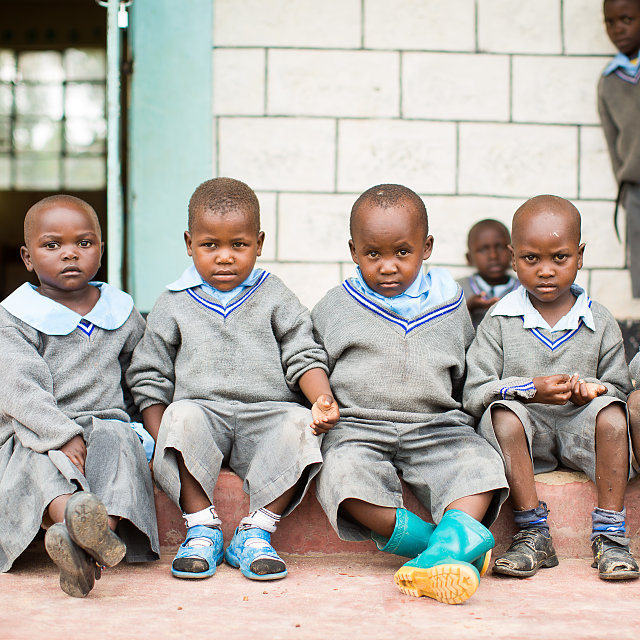
• Education Program – Formal School - More than 3,050 children from destitue families are receiving an education through the education program. There are schools in the Oromia region, the Sidamo province and in Addis Ababa. Each school educates children from kindergarten through fourth grade. Each school provides uniforms, educational materials, breakfast, lunch and health services to all students. We have schools in the following

• Bantu – about 400 children
• Debre zeit – about 400 children
• Shashemene – about 250 children
• Arbegona – about 400 children
• Bona – about 400 children
• Aroressa – about 400 children
• Bishan jilba – about 900 children
• Bole Addis – about 200 children

• Community-based Rehabilitation Program – More than 5,000 persons with disabilities are served through this program each year in Adama city and the 12 surrounding districts. This program produces and distributes simple appliances / devices, provides physiotherapy services, provides plaster casting services, facilitates special needs education for blind people and mentally disabled people, promotes access to basic social services and provides referrals for further surgical treatment to government hospitals.

• Health Program - The health center established in Bishanjilba provides free health services for the surrounding communities estimated 25,000. The health center is well organized with the necessary medical personnel, material, equipment, pharmacy and other resources. The center supervises the activities of 10 health posts previously operated by the government.

• HIV/AIDS Prevention, Care and Support – In close collaboration with WFP, Global Fund and Addis Ababa HAPCO, the goal of this program is to mitigate the socio-economic impacts of HIV/AIDS and improve the living condition of orphans and their guardians. The program includes distribution of nutritious food for people living with HIV/AIDS, educational support, provides start-up capital for establishing IGA and vocational skill training for older orphans. 1,975 HIV/AIDS infected and affected family members are directly impacted and about 9,875 people indirectly benefited from the program.

Humanitarian Aid
Through humanitarian aid support and distribution of new shoes, Buckner is helping to prevent future disease and infection in children. Many diseases enter the body through the feet when a child walks through mud and filth without shoes. The gift of a new pair of shoes not only protects their feet, but keeps their entire body from being subjected to a number of diseases. Buckner has sent more than 37,085 pairs of shoes to Ethiopia to date.

How You Can Help:
• Pray: Make a commitment to pray for the children and families in Ethiopia who live in desperate circumstances and need to know the Lord.

• Give: Make a donation online to support any of the programs listed above or call 214-758-8050 to give by phone.

• Be an Advocate: Share the needs of children in Ethiopia with your church, community, family and friends

• Take a mission trip: Buckner organizes church mission trips to Ethiopia to provide much-needed education, medical support and children’s activities.

• Collect shoes: Host a shoe drive or give a pair of shoes to help orphans in Ethiopia. Learn more at www.ShoesForOrphanSouls.org.

• Adopt: Learn more about the ways you can be a family for a child in need.


Trustees | Sitemap | Privacy Policy | Buckner International Copyright