




What Is Sharenting? What parents need to know about protecting their children online
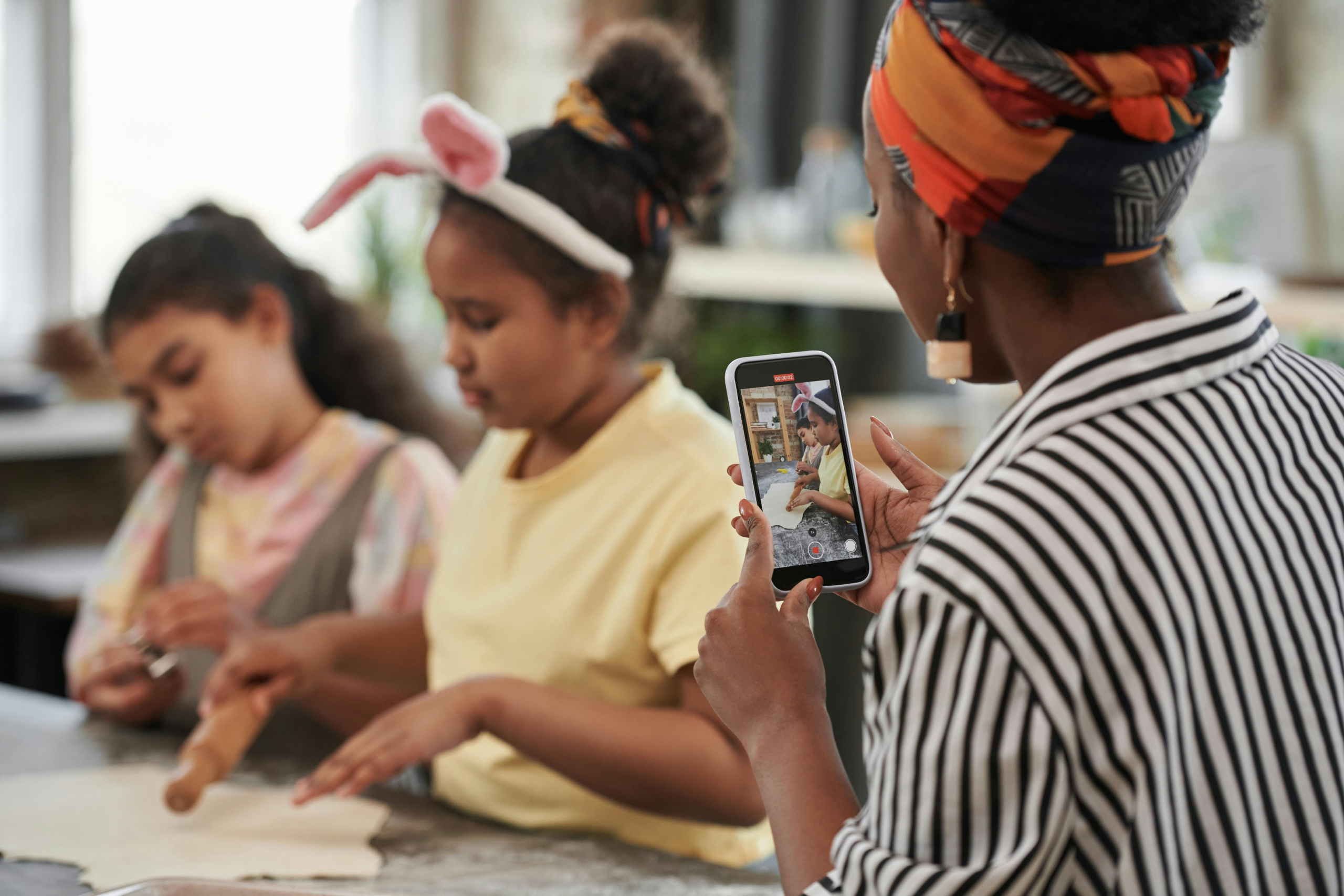
From first steps to first days of school, parents today have more opportunities than ever to share their children’s lives online. Social media have made it easy to celebrate milestones, connect with loved ones and document everyday moments.
But as digital sharing becomes more common and it seems like new headlines about child exploitation hit the news every day, many parents are asking an important question: Is it safe to post my child on social media?
The answer is not always simple. While sharing can be meaningful, it also comes with potential threats. Understanding “sharenting” and its risks can help parents make thoughtful decisions that protect their children while still celebrating their lives.
What is sharenting?
“Sharenting” refers to the practice of parents sharing photos, videos and information about their children online, often through social media platforms.
For many families, sharenting is a way to stay connected. Grandparents, friends and extended family members can follow along with a child’s growth, even from far away. What once lived in photo albums or home videos is now shared instantly with a broader audience.
However, this shift also means that a child’s digital presence can begin long before they are old enough to understand or consent to it.
What are the risks of sharenting?
While posting about your child may feel harmless or even exciting, there are important considerations every parent should keep in mind.
A digital footprint begins early
Children today often have an online presence before they can speak. Photos and stories shared online can remain accessible for years, potentially shaping how others see them later in life.
Privacy and identity concerns
Even well-intentioned posts can reveal more than expected. Details such as a child’s full name, school, location or daily routine can unintentionally expose personal information.
Emotional and social impact
As children grow older, they may feel uncomfortable with content shared about them without their permission. Posts that seem funny or innocent now could lead to embarrassment or frustration in the future.
Safety risks
Public accounts or widely shared content can make it easier for strangers to access images and information about children. Bad actors online can save, share, or alter photos of children without the original poster ever being notified.
Unfortunately, this threat is not limited to strangers. Statistics say that classmates, peers, and family friends are responsible for 48-59% of inappropriate use of content containing children. This can be AI-generated images using a child’s likeness, accessing their personal data, or sharing images with nefarious intent.
The connection to online exploitation and trafficking
In some cases, oversharing can contribute to broader risks, including exploitation and trafficking. Traffickers and predators increasingly use the internet to identify and target children, often gathering information from publicly available posts. According to the National Human Trafficking Hotline, online recruitment of victims increased by 22% during the COVID-19 pandemic, highlighting how digital spaces have become a primary point of contact.
Even seemingly innocent posts can reveal patterns, locations or personal details that make children more visible to those with harmful intent. While sharing alone does not cause trafficking, it can unintentionally contribute to a digital environment where children are more accessible, reinforcing the importance of thoughtful and limited sharing.
Is it safe to post your child on social media?
Many families choose to share moments online, and there can be value in staying connected. However, safety often depends on how and what is shared.
Thoughtful, intentional sharing rather than frequent or unrestricted posting can help reduce risks. By setting boundaries and being mindful of content, parents can find a balance that works for their family.
How to share your child online safely
Parents who choose to share online can take simple steps to better protect their children’s privacy and well-being.
Limit identifying details
Avoid sharing full names, school names, addresses or information that reveals a child’s routine or location.
Review privacy settings
Consider keeping social media accounts private and regularly reviewing follower lists to ensure content is shared only with trusted individuals. Keep in mind that content should still be vetted — knowing an individual personally does not guarantee that they have your child’s best interests in mind.
Think long term
Before posting, ask yourself: Would my child feel comfortable with this in the future? A quick pause can help guide better decisions. A good question to ask yourself might be, “would I want this content displayed in front of my child’s entire middle school class one day?” If the answer is “no,” consider keeping that content private.
Avoid sharing vulnerable moments
Moments involving discipline, medical issues, disabilities or emotional distress are best kept private. These experiences are part of a child’s personal story and deserve care, dignity and protection.
How sharenting can impact children over time
A child’s sense of identity develops over many years. When large parts of their life are shared publicly, it can influence how they view themselves and how others perceive them.
Being mindful of what is shared helps preserve a child’s ability to shape their own story and evolve as they grow up.
It’s also important to consider how “sharenting” can uniquely impact children who have experienced foster care or adoption. When parents share details of a child’s past, especially stories involving trauma, family separation, or life before placement, those narratives can begin to define the child long before they have the ability to shape their own story.
For foster and adopted children, whose histories are often complex and deeply personal, public posts can unintentionally expose sensitive information and follow them into future relationships, schools and opportunities. Even when shared with good intentions, these stories can remove a child’s agency and sense of ownership over their identity. Protecting their dignity means pausing to ask: Is this my story to tell, or does it belong to them?
Alternatives to public sharing
For families who want to share updates while maintaining privacy, there are other options to consider:
- Private group messages or text threads
- Secure photo-sharing apps
- Email updates to close family and friends
These approaches allow families to stay connected without making content publicly accessible.
A thoughtful approach to sharing
Parenting in a digital world comes with new challenges. There is no one-size-fits-all answer when it comes to sharenting, but intentional choices can make a meaningful difference.
At its core, protecting children extends beyond physical safety. It includes their emotional well-being, dignity and right to privacy.
How Buckner supports families
At Buckner International, we are committed to protecting children, strengthening families and transforming generations. That mission includes helping parents navigate the complexities of raising children in today’s connected world.
By equipping families with knowledge and support, we aim to create environments where children can grow, thrive and feel secure — both offline and online.
Sharing your child’s life online can be a meaningful way to celebrate and connect. But it is important to approach it with care.
In a world where so much is public, choosing what to keep private is one of the most powerful ways to care for your child.
Related Posts