
Recovery, restoration and reunification
A story of healing and second chances
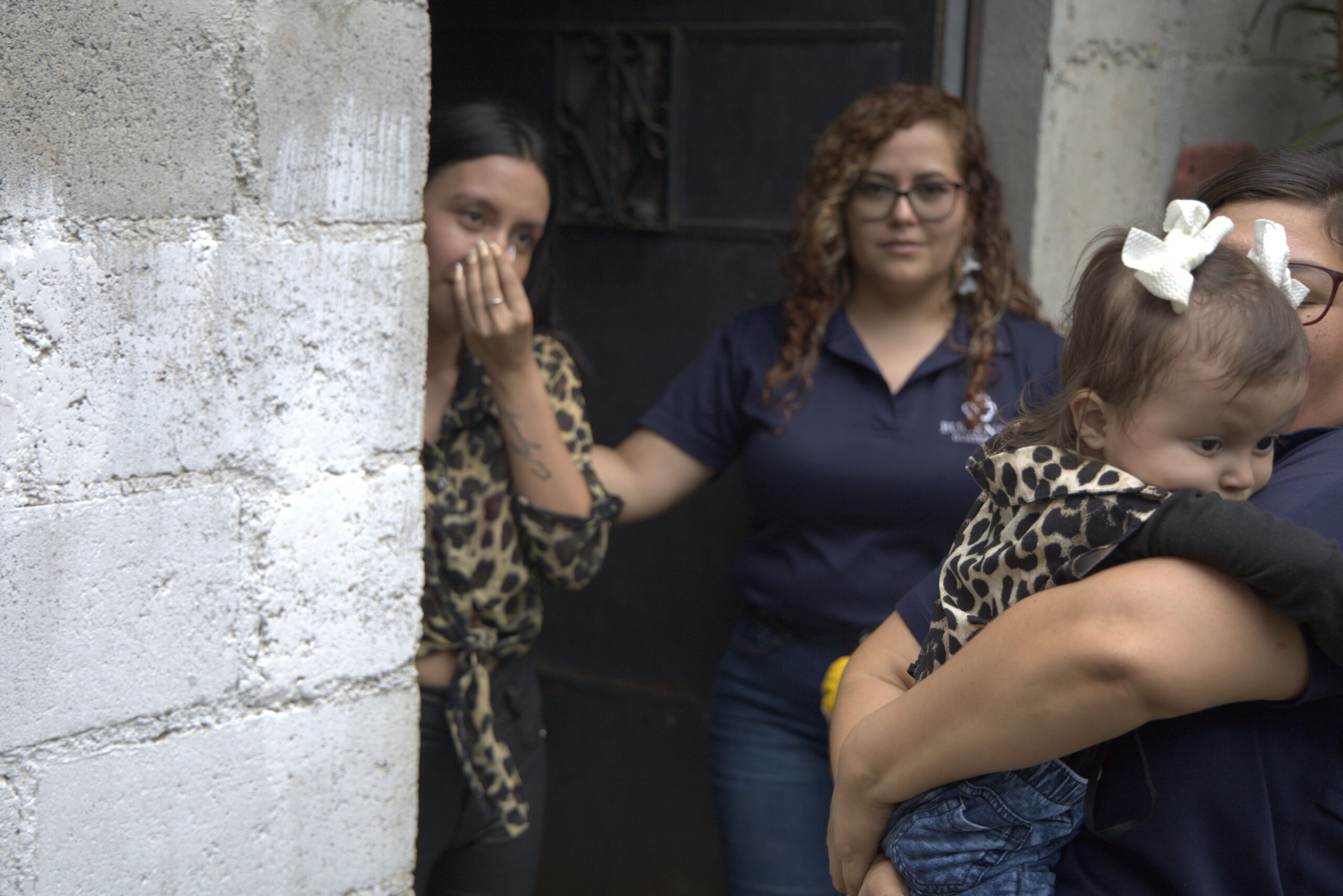
On the outskirts of Guatemala City rests a tiny cinder block house on the edge of a mountain. Reaching it requires a car ride up winding mountain roads, followed by bumpy, narrow dirt roads. After about an hour and a half, the journey ends at a gate. Beyond it, visitors walk past a few apartments and down some stone steps. Straying too far off the path could result in a long tumble off the side of the mountain. The house clings so close to the edge, it feels like it could teeter off the cliff.
As you approach, the giddy laughter of a 2-year-old girl, Alisha, can be heard, along with the excited response of her mother, Esperanza.
This joyful interaction is the fruit of a difficult journey.
Turning point
Nearly two years ago, Alisha became sick. Her mother rushed her to the hospital. “She convulsed more than three times,” recalls Esperanza. She seems to grip her daughter, sitting on her lap, tighter as she remembers. “She was in the hospital in an intensive care unit for 18 days.”
Alisha’s diagnosis was septic shock. After a month in the hospital, the state intervened. Due to signs of neglect, they removed Alisha from Esperanza’s custody.
In the subsequent court hearings, the judge realized Esperanza’s neglect was not out of malice, but out of lack of resources and education. Esperanza’s life, like many others living around her, was defined by hardship. Living in poverty without a strong support system and little education, she struggled to care for herself and her daughter. Her daughter’s hospital stay was a breaking point, but also a turning point.
Esperanza was offered a path to reunification. “The judge sent me to a parenting school and counseling,” she says. “I had to complete a course in order to have her back.”
Esperanza accepted the challenge.
“The situation was complicated, Alisha was put at risk,” says Victor Lopez, executive director of Buckner Guatemala. “We knew we had to work with Esperanza so she could have the parental skills needed, but at the same time we needed to ensure Alisha was taken care of and would be ready to reunite.”
A season of healing
Alisha was placed with Buckner foster parents Felix and Brenda. They live on the opposite side of Guatemala City, a far drive from Esperanza.
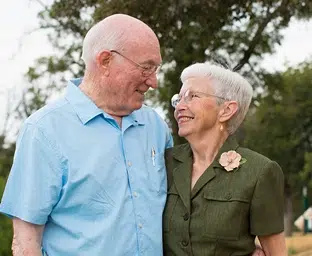
“We always had this desire to take care of children,” Brenda says. Their motivation to foster was deeply personal.
Felix and Brenda are an older, retired couple who worked their entire lives to provide for their children and build a home. This home is an oasis in the middle of an impoverished area. It is surrounded by lush green trees bearing a variety of fruits. The large kitchen constantly smells like coffee, which is growing right outside the window.
A narrow path behind the house leads to a forest of bamboo which Felix uses to build some impressive projects; flowers with beautiful butterflies on many of the petals; and even some well-kept beehives from which the family produces their own honey.
At a young age, Felix turned his love for photography into a business that Brenda helped run. The decades of work are reflected in every aspect of their home.
“We started to reflect on how our children grew up; because we both used to work a lot, we had to give them to others to take care of. It felt like a second chance at parenting.” Felix says of fostering.
The couple make it clear that their home is a place that they want to share with others, like their daughter and grandson, Caleb, as well as the foster children they have welcomed.
“It had been a while since our previous placement, so we were ready for another. Buckner told us they had a little girl, but she needed a lot of attention,” says Brenda.
The decision to care for Alisha was not easy. She remained fragile and in need of constant care. The placement would require them to be in and out of the hospital, while also taking care of their grandson. They prayed long and hard before saying yes.
Felix recalls his shock at first seeing Alisha. “She was very skinny and delicate; from the moment we met her we realized she was going to be our biggest responsibility.”
Brenda stayed in the hospital with Alisha for a total of 33 days. Amid COVID restrictions, she couldn’t leave the hospital and had to sleep on the floor of the hospital room. Felix stayed home with their grandson.
“It was hard because we needed her here at home, but there was something more important,” Felix says. “Brenda would say to me, ‘Be patient. I miss you guys, but I am here for the love of Alisha.’”
Slowly, Alisha’s health improved, as did the bond with her foster parents. After she was discharged from the hospital, Alisha began to smile and laugh and form a bond with Caleb, who is only 3 days younger than her.
“After a week at our home, we took her to the doctor, and she wouldn’t let go of my hand,” recalls Brenda. “The doctor asked, ‘Why is she so attached if she has only been with you for a week?’ I didn’t know how to answer, but I think it was because we loved her so quickly.”
Reunification
Meanwhile, Esperanza continued to work toward her goal of reunification with Alisha. She regularly connected with Ana, her Buckner case manager, and her counselor who helped her through courses and provided support throughout her journey.
The process was long and difficult, and Esperanza remembers being desperate to see her daughter again. She describes a time she went to Palencia, the area where Felix and Brenda live, to walk the streets, despite not having an address, hoping for a glimpse of her daughter. “Buckner reassured me she was okay, and that helped me,” she adds.
Four months later Esperanza completed everything the court required. The Buckner team says that her drive propelled her to complete the course thoroughly but quickly so she could reunite with Alisha.
“I feel better about myself and proud of what I did for my daughter,” she says. “I think that there are other parents out there who may think that there is no way to get them back. But as a mother that has love for them, you must do everything you can.”
For Felix and Brenda, the reunification was bittersweet. “We didn’t have her for long, but it felt like a lifetime that we shared with her,” says Brenda. “When the time came to let her go, it was overwhelming.”
“She was a different woman,” says Felix of Esperanza. He and Brenda had only met her at a hearing when the court handed Alisha over to them.
But on the day of reunification, they saw a marked difference. Brenda calls it a miracle. 
“She told us; ‘I know that God is going to give me another opportunity. And I didn’t come here because someone forced me. I came here because I want to take care of my daughter.’”
Felix and Brenda see the change in Esperanza as a work of God and as an encouragement that reunification, when possible and safe, is best for a child.
“She saw that she made a mistake, but our God is a God of many opportunities,” says Felix. “And God gave her a chance. I am very happy. It gives us encouragement to keep going. God uses the hands and hearts of his people to do his work, and He is present. And I am sure that he was present in this case.”
“When God wants to rescue a person, he’s going to do it and he’s going to use all means. He uses people; he uses families; he uses doctors; he uses everything, but God is the one that saves this person.”
Now Esperanza cares for Alisha as she needs, including visits to a physical therapist. She also maintains a relationship with Buckner, which provides basic needs for them.
“Every day I ask God to give me wisdom and to be a good mother to her,” she adds.
Felix and Brenda plan to continue fostering. “I know that God will bless them for having done all that,” says Esperanza. “Maybe Alisha won’t remember them, but she will always keep them in her heart because of the way they took care of her and how they loved her. She won’t forget the people who love her.”
“We know change can happen, even when a child has been put at risk, because we know God’s redemptive work of reconciliation,” says Lopez. “People like Felix and Brenda inject hope into the protection system through sacrificial love, which brings hope of a bright future for people like Alisha and Esperanza. I see this story as a beautiful example of our mission and vision fulfilled.”
“God has given us both a second opportunity at life together,” adds Esperanza. With tears in her eyes and emotion in her voice, she holds Alisha even tighter. “What we went through was difficult,” she continues. “But God was always with us. And I will always be with her.”
Written by Josué Lara, media relations coordinator, Buckner International