



Seeing the unseen: Invisible disabilities

You look at the people standing beside you in the checkout line or take a glance at the other folks in a waiting room, and you might think you can read them like an open book. But when it comes to invisible disabilities, what we see rarely tells the full story.
A quick show of hands: when we think of disabilities, how many instantly think of wheelchairs or something equally visible? Of course, it’s on all the signs. However, invisible disabilities like mental health challenges, chronic illness, learning differences, or trauma aren’t immediately obvious. Yet they shape daily life for millions of people, including many in our own communities.
At Buckner International, we are very aware of the challenges that people with invisible disabilities face. As one Buckner counselor shared, “We go through our daily lives and get frustrated, but there are people managing chronic illness and so happy that they can make it to the grocery store that day.”
More Common Than We Realize
Invisible disabilities aren’t rare. In fact, a large percentage of our population lives with at least one invisible disability.
Research suggests 1 in 4 adults in the U.S. lives with a disability, many of which are not visible (Smith, 2025). And an estimated 80% of disabilities are invisible, meaning most people experiencing limitations aren’t easily identifiable (Granjon, 2025).
This means that throughout any given day, whether at church, at work, or at the grocery store, we’re likely interacting with several people navigating unseen challenges.
The Weight of Being Misunderstood
One of the hardest parts of living with an invisible disability isn’t the condition itself, it’s how others respond. Without visible signs, people are often misjudged. Children may be labeled “bad” or “behind,” when in reality they simply haven’t been diagnosed, let alone supported.
Nearly 90% of people with mental health conditions experience societal stigma, which can feel as painful as the illness itself (Breaking Down, 2025). Fear of judgment keeps 70% from seeking help, causing many to hide their struggles and suffer in silence.
Mental Health: The Hidden Struggle
Many invisible disabilities fall under mental health.
Take postpartum depression, for example. While often associated with mothers, it can affect both parents and can go unnoticed for months due to stigma and silence. “A lot of times it goes untreated because of the fear of what people will think,” Buckner counselors shared.
That silence can be isolating. People assume they’re alone, when in reality, many others are quietly experiencing the same thing. It’s approximated that about 15% of women in the U.S. experience postpartum depression, but estimates suggest that number could be as high as 50% because so many cases go undiagnosed.
The Compromised
For others, invisible disabilities take the form of chronic, immunocompromising conditions like Crohn’s disease.
These lifelong illnesses may not be visible outwardly, yet they can bring daily pain, fatigue, and uncertainty. Crohn’s disease alone affects an estimated 1 million Americans, while inflammatory bowel diseases overall impact up to 3.1 million people in the U.S. (Centers for Disease Control and Prevention [CDC], 2024).
Living with Crohn’s disease can carry its own kind of embarrassment, because many of its symptoms, like urgent bathroom needs, digestive distress, or fatigue, are difficult to talk about. Even though it’s a medical condition, people often feel pressure to hide it, especially in public or professional settings.
People living with these conditions often navigate fluctuating symptoms, frequent medical care, and emotional strain, all while appearing “fine.” This disconnect can lead to misunderstanding, making empathy and flexibility especially important in supporting those whose struggles aren’t easily seen.
Lead with Compassion
So, how can people help?
That starts with something simple: kindness.
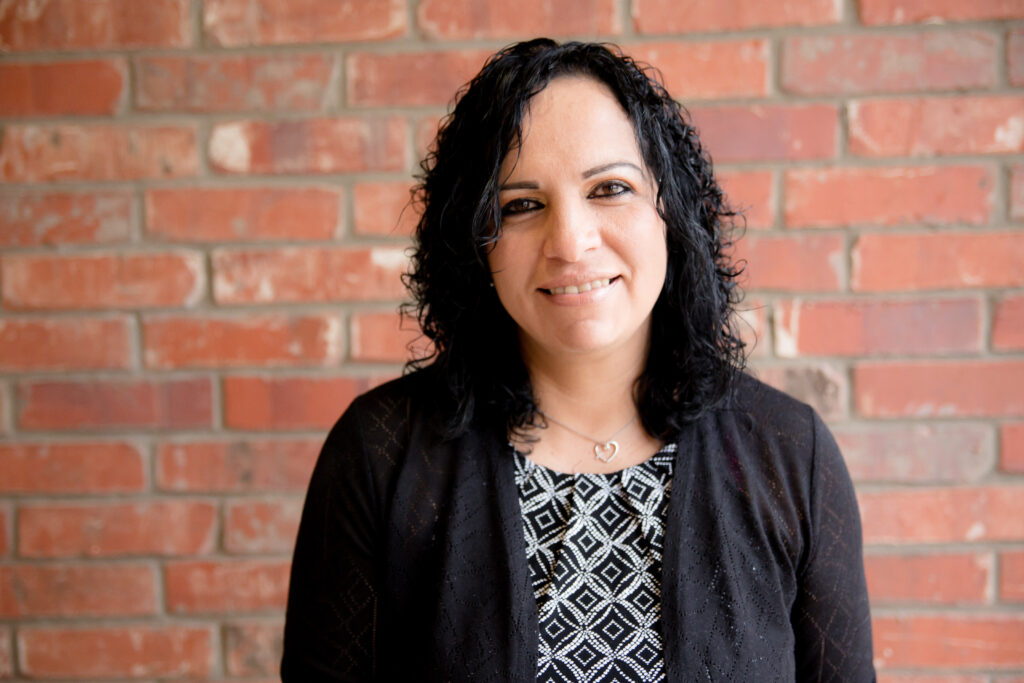
Amy Curtis, Senior Director of Counseling and Mental Health Services at Buckner International, offered this advice: “Be kind. You never know what other people are going through.”
She reminds us that compassion doesn’t require expertise. You only have to:
- Offer patience instead of frustration.
- Listen without judgment.
- Ask, “Are you okay?” and truly mean it.
Sometimes, that question alone can help someone feel seen.
Creating Space for Belonging
Caring for vulnerable people means recognizing that vulnerability isn’t always visible.
Invisible disabilities challenge us to slow down, look deeper, and respond with grace. They remind us that behind every face is a story and often, a struggle we can’t immediately see.
When we lead with compassion, we create communities where people don’t have to hide. In doing so, we reflect the heart of Christ, who always sees beyond the surface and meets people right where they are.
Want to learn more?
References:
Centers for Disease Control and Prevention. (2024, June 24). Ibd facts and stats. Centers for Disease Control and Prevention. https://www.cdc.gov/inflammatory-bowel-disease/php/facts-stats/index.html
Breaking down stigma around mental illness: 2025 statistics. TherapyRoute. (2025, June 18). https://www.therapyroute.com/article/breaking-down-stigma-around-mental-illness-2025-statistics-by-therapyroute
Granjon, M. (2025). Attitudes towards invisible disabilities: Evidence from behavioral tendencies – sciencedirect. DirectScience. https://www.sciencedirect.com/science/article/pii/S2666518224000184
Smith, R. E. (2025). January 2025 non-apparent disabilities fact sheet: Prevalence introduction. Utah State University Institute for Disability Research. https://idrpp.usu.edu/projects/accessibilityhealth/files/Non-Apparent_Disabilities_FactSheet_Prevalance.pdf
Related Posts