

Finding their next steps

Imagine stepping into adulthood without a clear sense of direction or steady voice for advice, no one to model what comes next. For many young women, that uncertainty is the starting point.
Serenity Anderson, Kay’alani Nixon and Katelynn O’Reilly carry different stories, but they share a common thread: they were learning how to move forward on their own. Their stories differ from foster care to unstable circumstances, but all three were navigating decisions about work, school and independence without a safety net many of their peers rely on.
When they found Buckner NextStep, what stood out wasn’t a program to complete or a checklist of requirements, but a community of people willing to walk alongside them with love and support. Through relationships offering guidance, accountability and encouragement, they began to set goals and, just as importantly, believed they could reach them. Along the way, they balanced jobs and education, worked through personal challenges, and started building the skills needed for long-term stability.
Today, each of them is at a different point in that journey and a different phase of the program. But together, their stories reflect what it looks like to learn independence in real time – one decision, one step, and one hard-earned success at a time.
Serenity Anderson, NextStep 1.0, lives in a non-college dorm setting on the Buckner Dallas campus with four other young women. Each has her own room and a shared common area. There are house rules, curfews and a live-in resident assistant. Anderson has weekly sessions with her coach.
Kay’alani Nixon, NextStep 2.0, lives in an apartment on the Buckner campus. Chores and house rules are no longer defined; she and her roommate make them together. She has biweekly meetings with her coach.
Katelynn O’Reilly, NextStep 3.0, lives independently in her own off-campus apartment but maintains monthly check-ins with her coach.
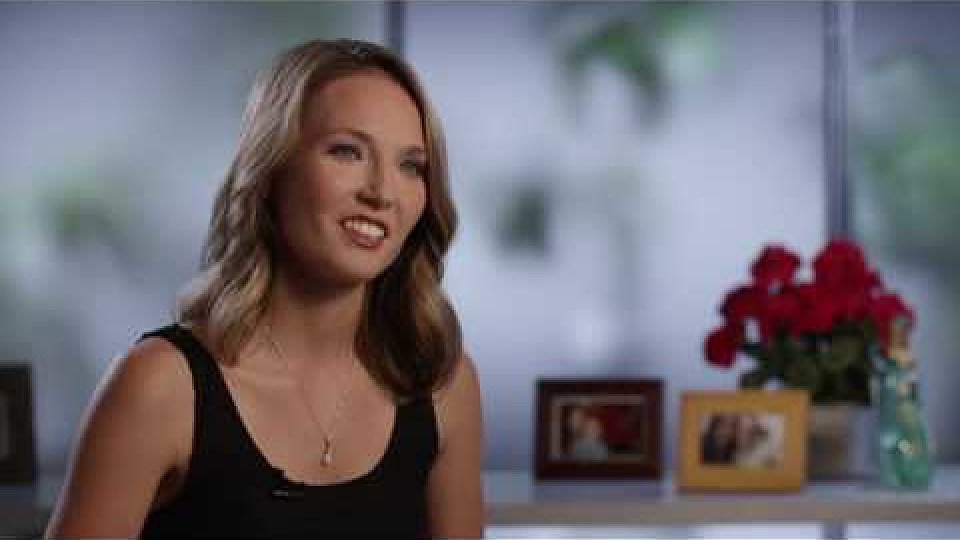
Anderson, Nixon and O’Reilly sat down together to share their experiences about what they’ve faced, what they’ve learned, and where they hope to go next.
BT: What interested each of you in NextStep?
Nixon: I talked to people and looked into a whole bunch of places. Then someone told me about this program. When I did my interview, I kind of fell in love with it. What really convinced me was knowing about 2.0. Knowing there was the next step before full independence.
O’Reilly: Honestly, it was a place to stay. I didn’t have a choice because I needed a place to live. My only other option was to be homeless.
Anderson: I didn’t have a choice either. I could stay with my grandma, but I know that I also needed space to grow and learn to be an adult. During my interview, this felt like a place where I could do that.
BT: What were your hopes when you started?
Nixon: I wanted to be rich by 25. More realistically, I wanted to get my life together – make my own money, get a driver’s license, a car, insurance, and education. My hopes were to build a strong and solid foundation to grow.
Anderson: My hope was building a strong foundation for whatever came next. I wanted to be more independent. I wanted a job and connections to help me find that. I’m working toward independence.
O’Reilly: My hope was just getting on my feet and getting my life together. I did not want to fall into the footsteps of some of my family members. I don’t want to be someone who ends up on drugs, homeless, or stuck in harmful patterns.
BT: What life skills are you learning in NextStep?
O’Reilly: I’ve learned how to advocate for myself better. No one will advocate for yourself better than you. If you don’t speak up, people may walk all over you. Learn to speak up for yourself.
Anderson: Being more receptive to people and showing I care. My job helps me with that. I feel like a politician sometimes, but it’s all customer service. It’s part of coming to terms with being an adult.
BT: What was harder than you thought about learning to be an adult?
Anderson: I was scared about getting a job or going to college. Now, I’m trying to balance school and work. I do want to finish college. I never liked school as a kid, but I know I need it.
O’Reilly: Budgeting and staying on it. When you get your paycheck, learning how to set aside what you need for the costs that are coming, like rent. Those late fees are no joke. And if you don’t pay you get evicted. I don’t want to be homeless.
BT: When things are challenging, what keeps you motivated?
Anderson: There are moments that make it worth it. Sometimes it’s small, like just buying an ice cream or going outside make me happy.
O’Reilly: Some of my family struggles with addiction. I don’t want that life for myself. I focus on what I don’t want my life to be like and what I want it to be like instead. That’s what motivates me.
BT: Since starting NextStep, what are you proud of?
Nixon: I’ve gotten my driving permit, I’m almost done with my fourth semester of college, and moved into my apartment in 2.0. I never thought I’d make it to 2.0. It took a long time but here I am.
Anderson: I feel like I’m at a standstill right now. But I’m working toward getting a car. I’m taking the bus right now. But I’m working toward what I want and I have ideas. I want the accountability. I didn’t have a job when I started here but now I do and I’m learning to work with people and learning to cook.
O’Reilly: I’m independent living now, and I got my own apartment and a job. I’m proud to get on my own feet. I didn’t waste time and worked toward that goal. And I finally was able to adopt my sweet cats. Animals are therapeutic for me.
BT: What would you tell young women considering the NextStep program?
Nixon: It’s a really good program. It’s very much about character and personality building, not just shaping you as a person but shaping your success. Even if you don’t have family or a strong support system, you still have people here. You will always have Buckner. You just have to let yourself be supported.
O’Reilly: You get out of it what you put into it. Take every hard conversation and every challenge as an opportunity to grow. The staff are here to help you succeed and grow. But you have towant it. Focus on the life skills. Some may seem boring, but they matter and you really need it. Don’t waste the opportunity.
BT: How have you grown during your time in NextStep?
O’Reilly: They’re going to teach you to save money, one way or another. Even $5 or $10. It’s hard, but it’s real life to learn how to do it. That’s how you become independent.
Nixon: I think about growth as a tree. You have to have strong roots because the roots matter most. It’s about maturing and realizing where you need to improve. That awareness is real growth. The sky’s the limit and there’s always more room to grow.
Anderson: I’ve grown enough that I know I want to be independent and I want to learn how to be independent. I’ve learned I have a responsibility to ask for help. It’s hard to ask sometimes.
Nixon: You don’t always have to do something yourself. At Buckner, if you need help, they’ll find a way. But you also have to meet them in the middle and do your part. To be comfortable, you have to get uncomfortable.
O’Reilly: There are so many ways to grow here. Find every opportunity to grow. But you have to want it. Just really use the support that’s offered. Not everyone gets these opportunities. Take advantage of them and make it count.
Now in its 10th year, NextStep has helped more than 120 young women as they’ve pursued goals related to education, employment and independent living. Along the way, theydeveloped skills like managing their own finances and building healthier, more stable relationships, among other goals. All are steps that support their transition into self-sufficiency.